
본문
Understanding the Importance of Fascia and Soffit: A Comprehensive Guide
Fascia and soffit play an essential function in the structural stability and visual appeal of a home. These components are frequently neglected by house owners, yet they are important in safeguarding your house from different components and enhancing its look. This article will check out the functions, materials, installation, and maintenance of fascia and soffit, in addition to FAQs to address typical inquiries.
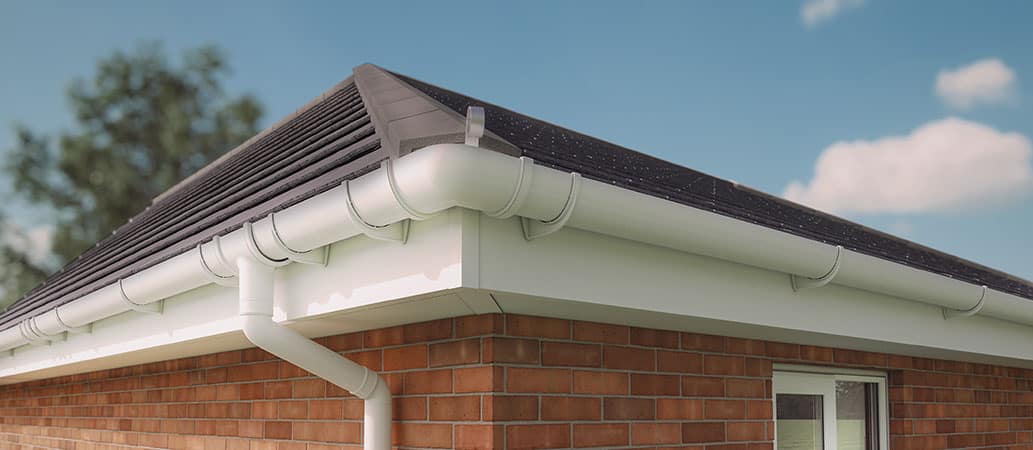
What is Fascia?
Fascia is the horizontal board that runs along the edge of the roofline, acting as a barrier in between the roof and the outdoors aspects. It supplies structural support for the lower edge of the roofing and plays an essential function in holding the gutters in place.
Functions of Fascia:
- Support: Fascia boards provide important assistance for the roof overhang.
- Protection: It safeguards the roofing from wetness intrusion and helps prevent rot and damage to the roofing products.
- Aesthetic Appeal: Fascia can improve the total appearance of a home, providing a clean finish to the roofline.
- Gutter System Support: Fascia boards serve as an installing point for seamless gutters, guaranteeing appropriate water drain far from the home.
What is Soffit?
Soffit is the board that covers the underside of the roofing overhang. It helps in providing ventilation to the attic space and protects versus insect infestation and wetness accumulation.
Functions of Soffit:
- Ventilation: Soffits allow air to stream into the attic, helping with correct ventilation and preventing heat accumulation.
- Bug Control: They function as a barrier versus insects and rodents while enabling appropriate airflow.
- Aesthetic Finish: Soffits offer a completed want to the roofline and are offered in various designs and colors to match the outside of the home.
- Moisture Control: By helping with ventilation, soffits help control attic wetness levels, therefore reducing the risk of mold and mildew.
Material Options for Fascia and Soffit
When thinking about fascia and Soffit Repair, property owners can pick from a variety of products. Each material has its advantages and disadvantages, impacting toughness, maintenance, and expense.
| Product | Benefits | Drawbacks |
|---|---|---|
| Vinyl | Low maintenance, resistant to rot and insects | Limited color options, can be fragile in extreme cold |
| Wood | Aesthetically pleasing, can be painted or stained | Needs routine maintenance, prone to rot and pests |
| Aluminum | Durable and light-weight, does not rust | Can dent quickly, limited insulation homes |
| Fiber Cement | Very durable, resistant to moisture and bugs | Heavier, more intricate installation |
Installation Process
The installation of fascia and soffit need to ideally be brought out by professionals to make sure proper fitting and long-lasting performance. Here's a basic overview of the installation process:
- Assessment: Evaluate the existing fascia and Upvc Soffit for damage and figure out the necessary products.
- Removal: Carefully remove the old fascia and soffit, making sure to prevent damage to the roofing system and surrounding areas.
- Preparation: Ensure the underlying structure is undamaged and repair as essential.
- Installation: Fit the new fascia and soffit boards, securing them in place with suitable fasteners.
- Ending up Touches: Seal gaps and joints to avoid wetness infiltration, and use paint or finish as needed.
Maintenance Tips
Regular maintenance of Fascia And Soffit Company; More inspiring ideas, and Soffit And Cladding can extend their life expectancy and make sure efficient performance.
- Cleaning: Regularly wash the fascia and soffit to remove dirt, particles, and mold.
- Evaluation: Conduct seasonal inspections for signs of damage, rot, or insect problems.
- Repair: Address any concerns without delay to avoid further damage-- replace broken areas as needed.
- Painting/Staining: For wood materials, consider repainting or staining every few years to keep appearance and security.
FAQs
1. How typically should fascia and soffit be changed?
The lifespan of fascia and soffit can vary based on the products utilized and environmental conditions. Vinyl can last approximately 30 years, while wood may need replacement every 10-15 years if not maintained effectively.
2. Can I set up fascia and soffit myself?
While DIY installation is possible, it is typically suggested to work with professionals for the best results. Appropriate installation is essential for performance and longevity.
3. What are the indications of harmed fascia and soffit?
Indications include peeling paint, sagging boards, visible rot, water spots on the interior ceiling, and insect infestations. Any of these should prompt an instant examination.
4. Is ventilation through soffits required?
Yes, correct ventilation through soffits is necessary to maintain attic air quality, avoid excess heat buildup, and minimize the danger of moisture-related issues.
5. What colors and styles are offered for fascia and soffit?
Fascia and soffit can be found in different colors and styles, especially with vinyl and wood products. House owners can choose choices that best match the architectural style of their home.
Fascia and soffit elements are necessary for the structural integrity and aesthetic appeal of any home. Understanding their functions, materials, installation, and maintenance is essential for house owners aiming to enhance their home. Routine maintenance and prompt replacements can guarantee fascia and soffit continue to safeguard your home for years to come. Property owners ought to talk to specialists for the very best results in installation and upkeep, guaranteeing that their homes stay lovely and well-protected from the components.
댓글목록
등록된 댓글이 없습니다.

 대표이사 김무현