
본문
Understanding the 45ft Shipping Container: A Comprehensive Guide
In the huge and complex world of global logistics and trade, the shipping container plays a critical function in helping with the effective motion of goods. Among the different sizes and types of containers used, the 45-foot shipping container sticks out for its special dimensions and abilities. This short article dives into the specifics of the 45-foot shipping container, exploring its dimensions, utilizes, advantages, and some often asked concerns to provide a detailed understanding.
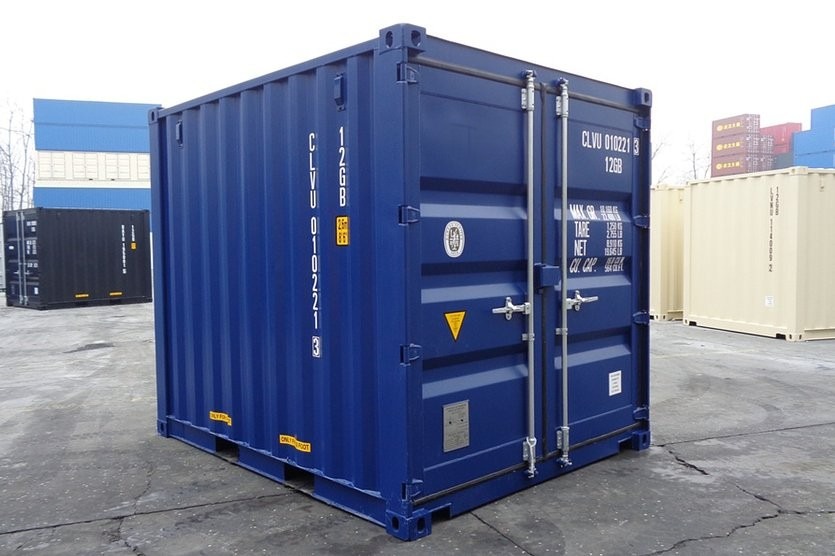
Dimensions and Specifications
The 45-foot shipping container, likewise referred to as a 45-foot high cube container, is a standard size used in the shipping industry. Here are the crucial dimensions and requirements:
- Length: 45 feet (13.72 meters)
- Width: 8 feet (2.44 meters)
- Height: 9 feet 6 inches (2.90 meters)
- Interior Length: 40 feet 3.5 inches (12.28 meters)
- Interior Width: 7 feet 8.5 inches (2.35 meters)
- Interior Height: 8 feet 0.5 inches (2.45 meters)
- Volume: 3060 cubic feet (86.6 cubic meters)
- Weight: Approximately 8,200 pounds (3,719 kilograms) empty
- Max Load Weight: Up to 67,200 pounds (30,481 kgs)
These dimensions make the 45-foot container larger than the basic 40-foot high cube container, offering more area for cargo while still fitting within basic shipping and dealing with equipment.
Common Uses
The 45-foot shipping container is utilized in a range of industries and applications due to its increased capacity and flexibility. Here are some typical usages:
- Retail and Wholesale Goods: Ideal for shipping large volumes of retail and wholesale items, such as clothes, electronics, and home items.
- Manufactured Goods: Suitable for transporting heavy equipment, automotive parts, and other large manufactured products.
- Agricultural Products: Often utilized for 45ft shipping container farming products like grains, fruits, and veggies, particularly when debt consolidation is required.
- Building and construction Materials: Useful for carrying building and construction products such as steel, wood, and concrete.
- General Cargo: Can accommodate a broad range of general cargo, consisting of mixed shipments and bulk items.
Advantages
The 45-foot shipping container uses several advantages over other sizes, making it a popular option for numerous carriers:
- Increased Capacity: With an extra 5 feet in length compared to the standard 40-foot container, the 45-foot container can hold more cargo. This is especially useful for carriers who need to transport big volumes of items.
- Cost Efficiency: Due to its larger size, the 45-foot container can minimize the number of shipments required, possibly decreasing shipping expenses and improving operational efficiency.
- Versatility: The extra area enables more versatile loading and unloading, making it simpler to handle various kinds of cargo and optimize space usage.
- Durability and Security: Like other shipping containers, the 45-foot container is created to stand up to the rigors of long-distance transportation. It offers robust security features, including locking systems and tamper-evident seals, to safeguard the cargo.
- Adaptability in Transportation: These containers can be carried by different modes, including ships, trains, and trucks, making them suitable for multimodal logistics operations.
Disadvantages
While the 45-foot shipping container has many advantages, it also features some challenges:
- ** Higher Freight Costs **: Due to its bigger size, the 45-foot container may incur higher freight expenses compared to smaller sized Easy-to-move 45ft containers.
- ** Limited Capacity at Some Ports **: Not all ports and terminals can manage 45-foot containers, which may restrict their accessibility in specific areas.
- ** Loading and Unloading Challenges **: The increased size can make loading and dumping more complex, requiring specific devices and qualified personnel.
- ** Weight Restrictions **: Although the 45-foot container can bring more weight, it is still subject to weight constraints enforced by transport modes and guidelines.
How to Choose the Right Container
Selecting the appropriate shipping container size is crucial for guaranteeing cost-effectiveness and performance. Here are some elements to consider when selecting a 45-foot 45ft container suppliers:
- Cargo Volume: Assess the overall volume of the products to be shipped. If the volume is close to or goes beyond the capacity of a 40-foot container, a 45-foot container might be preferable.
- Weight of the Cargo: Consider the weight of the cargo. If the weight is listed below the maximum load capacity of a 40-foot container, it may be more cost-efficient to use a smaller sized container.
- Port and Terminal Capabilities: Verify that the ports and terminals on your shipping path can accommodate 45-foot 45ft storage containers. Some smaller sized ports may not have the essential facilities.
- Transport Modes: Ensure that the 45-foot container can be efficiently transferred by all modes of transportation associated with your logistics chain, consisting of ships, trains, and trucks.
Often Asked Questions (FAQs)
Q: How much more cargo can a 45-foot container hold compared to a 40-foot container?
A: A 45-foot container has an extra 5 feet in length, which equates to about 15% more volume compared to a 40-foot container. This additional space can be significant for carriers who require to transfer large volumes of items.
Q: Are 45-foot containers more pricey to deliver?
A: Generally, 45-foot containers are more costly to ship due to their bigger size. However, the increased capacity can result in cost savings by reducing the number of shipments required. It's crucial to compare the overall cost of shipping to identify the very best choice.
Q: Can 45-foot containers be used for multimodal transport?
A: Yes, 45-foot containers can be used for multimodal transportation, including ships, trains, and trucks. However, it's vital to make sure that all transport modes and terminals can handle the larger container size.
Q: Are 45-foot containers offered at all ports?
A: Not all ports and terminals can deal with 45-foot containers. It's essential to inspect the abilities of the particular ports you prepare to utilize to avoid any logistical issues.
Q: What are the main markets that utilize 45-foot shipping containers?
A: The 45-foot container is typically utilized in markets such as retail, production, farming, and construction. Its increased capacity makes it ideal for carrying large volumes of items, heavy equipment, and construction products.
Q: How do I ensure the security of items in a 45-foot container?
A: To ensure the security of goods in a 45-foot container, usage robust locking systems, tamper-evident seals, and think about installing security video cameras or GPS tracking gadgets. Furthermore, proper packaging and securing of the cargo inside the container can prevent damage and loss during transit.

The 45-foot shipping container is a versatile and efficient solution for transferring big volumes of goods. Its increased capacity and versatility make it a preferred option for numerous carriers, especially in industries that deal with high volumes of retail, made, and farming items. While it might come with higher costs and some logistical challenges, the advantages typically outweigh the downsides. By thoroughly considering the factors outlined in this article, companies can make educated decisions about whether a 45-foot container is the ideal choice for their shipping requires.
Additional Resources
- Shipping Container Specifications: For comprehensive technical requirements of 45-foot containers, describe ISO requirements and industry guidelines.
- Shipping Companies: Contact leading shipping companies such as Maersk, CMA CGM, and Cosco to explore choices and get quotes for 45-foot container deliveries.
- Logistics Providers: Partner with logistics providers who have experience in handling 45-foot containers to ensure smooth and effective operations.
By understanding the dimensions, utilizes, and benefits of the 45-foot shipping container, services can optimize their logistics strategies and improve their supply chain performance.
댓글목록
등록된 댓글이 없습니다.

 대표이사 김무현